
TECAR Therapy outcomes from a three-year retrospective study show significant reductions in pain, improved comfort during movement, and a sharp decrease in medication use among patients treated in routine rehabilitation settings.
These TECAR Therapy outcomes are based on real clinical data from 89 patients treated between 2022 and 2025, offering insight into how TECAR Therapy performs in everyday practice rather than controlled laboratory conditions.
What Are TECAR Therapy Outcomes?
TECAR Therapy outcomes refer to the measurable clinical changes observed after treatment, including pain levels, movement-related discomfort, medication use, and safety.
In rehabilitation and physical therapy settings, TECAR Therapy outcomes are often evaluated using:
- Pain scales (such as VAS)
- Functional movement tolerance
- Treatment tolerance and safety
- Changes in reliance on medication
Study Overview: How TECAR Therapy Outcomes Were Evaluated
This retrospective, observational study evaluated TECAR Therapy outcomes in standard clinical practice using the Winback BACK4 system.
Study details:
- Patients: 89
- Age range: 18–87 years (average 46.6)
- Study period: 2022–2025
- Setting: Routine rehabilitation clinics
- Design: Non-interventional, retrospective
The goal was to assess TECAR Therapy outcomes under real-world conditions rather than idealized protocols.
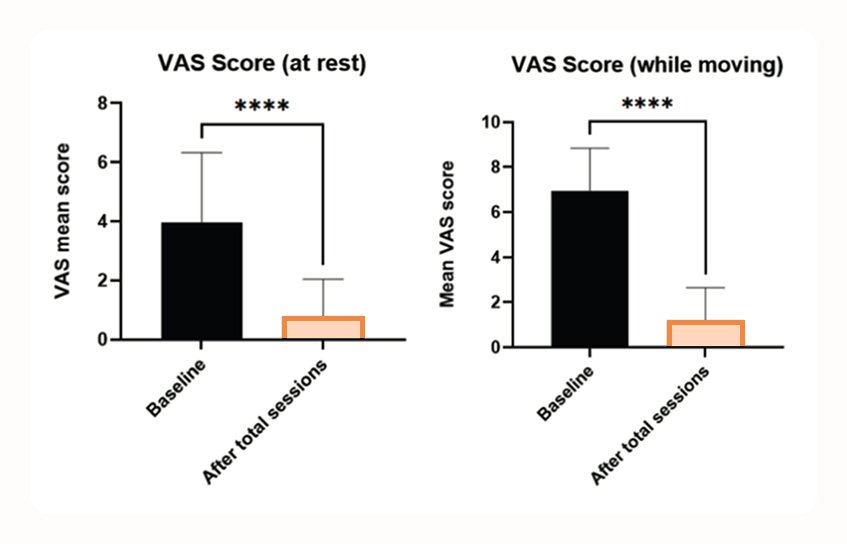
Pain-Related TECAR Therapy Outcomes
Pain reduction was the primary outcome measured using the Visual Analog Scale (VAS).
Observed TECAR Therapy outcomes included:
- Pain at rest: VAS 4.0 → 0.8
- Pain during movement: VAS 7.0 → 1.2
- Both changes were highly statistically significant (p < 0.0001)
These TECAR Therapy outcomes are clinically relevant because pain during movement directly affects rehabilitation progress, patient participation, and functional recovery.
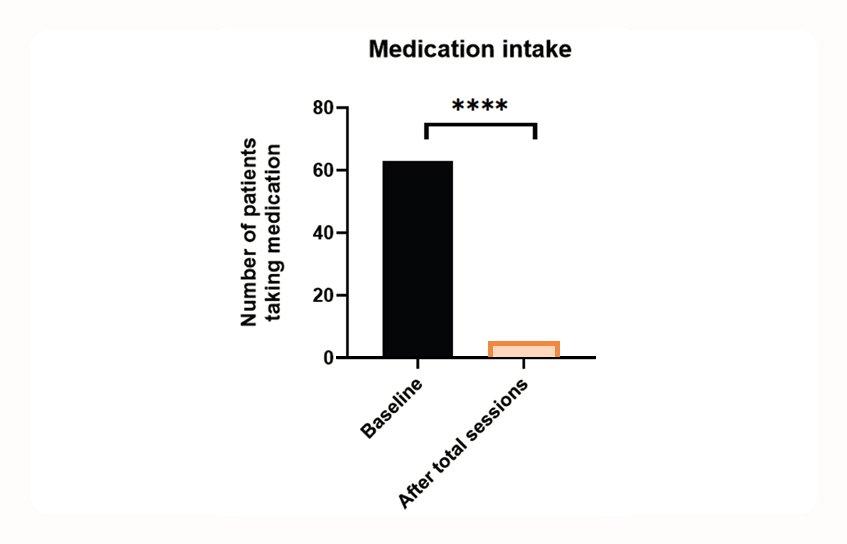
Medication Use as a Key TECAR Therapy Outcome
Medication use was tracked before and after treatment as part of the overall TECAR Therapy outcomes analysis.
- 70.8% of patients reported medication use before treatment
- 5.6% reported medication use after completing treatment
This shift highlights how TECAR Therapy outcomes may support non-pharmacological pain management strategies within rehabilitation programs.
Who Contributed to These TECAR Therapy Outcomes?
The patient population reflected a typical rehabilitation caseload.
Common conditions treated included:
- Low back pain (21%)
- Knee injury or post-operative knee care (20%)
- Tendinopathies (16%)
- Musculoskeletal disorders (13%)
These TECAR Therapy outcomes were observed across diverse indications rather than a narrow patient group.
Typical Protocol Behind These TECAR Therapy Outcomes
The TECAR Therapy outcomes reported in this study were achieved using practical, clinic-friendly protocols:
- Approximately 8 sessions
- Around 25 minutes per session
- 2–3 sessions per week
These parameters align with real clinic schedules and workflow constraints.
Safety and Tolerance Outcomes
Safety was an important component of TECAR Therapy outcomes.
- No adverse effects were reported
- Tolerance was rated as excellent across all patients
This supports the use of TECAR Therapy in repeated rehabilitation sessions.
How to Interpret These TECAR Therapy Outcomes
As a retrospective study, this analysis did not include a control group and involved heterogeneous conditions.
However, these factors also strengthen the relevance of the TECAR Therapy outcomes by reflecting how the technology performs in daily clinical use rather than controlled trials alone.
What These TECAR Therapy Outcomes Mean for Clinicians
Based on three years of real-world data, TECAR Therapy outcomes were associated with:
- Significant pain reduction
- Improved comfort during movement
- Reduced reliance on medication
- Strong safety and tolerance
For clinicians evaluating physical therapy technology, radiofrequency therapy, or rehabilitation equipment, these TECAR Therapy outcomes provide practical, practice-based evidence.
Frequently Asked Questions About TECAR Therapy Outcomes
Are TECAR Therapy outcomes supported by clinical data?
Yes. These TECAR Therapy outcomes are based on measured results from 89 patients treated over three years in routine clinical practice.
How long does it take to see TECAR Therapy outcomes?
In this study, outcomes were evaluated after an average of eight sessions delivered over several weeks.
Are TECAR Therapy outcomes consistent across conditions?
Positive TECAR Therapy outcomes were observed across multiple musculoskeletal indications, including low back pain, knee conditions, and tendinopathies.
Review the Full Retrospective Study
The complete study includes methodology, patient demographics, and statistical analysis.
👉 Download the full retrospective study (PDF)
See How TECAR Therapy Fits Into Your Practice
Interested in understanding how TECAR Therapy could integrate into your current workflows?