Rehabilitation is evolving, not because of trends or influencers, but because clinicians are demanding tools that respect physiology, integrate with movement, and adapt to how the body heals. Over the past decade, energy-based therapies have moved from novelty to necessity, with TECAR therapy emerging as a central part of that shift.¹,²
Traditional modalities were designed to do something to the body. Intelligent energy-based therapies are designed to work with the body.
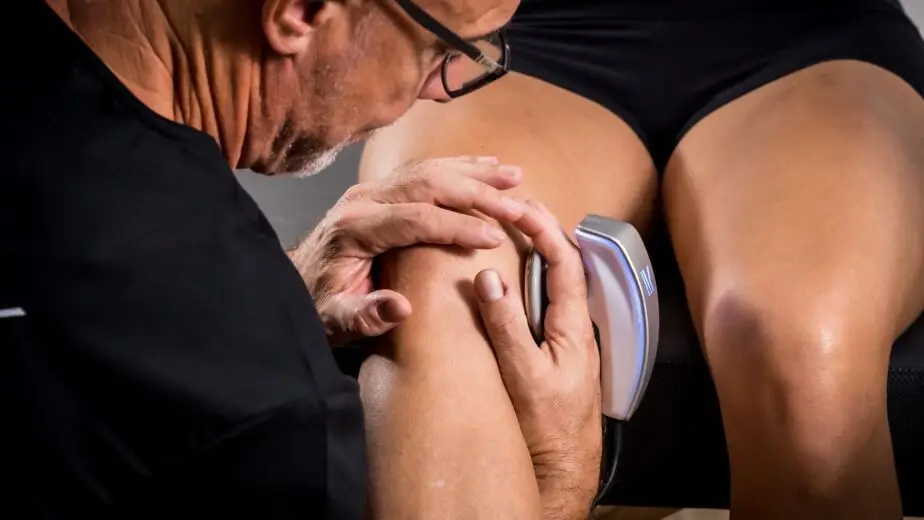
Rather than relying on externally applied heat or isolated mechanical stimulus, Winback TECAR therapy stimulates endogenous heat production, supporting circulation, cellular exchange, and tissue responsiveness from the inside out.³,⁴ This distinction matters, because tissue adaptation requires more than surface-level change. ⁵
TECAR persists because it addresses core biological drivers of recovery, including improved circulation, tissue hydration and glide, neuromuscular signaling, and readiness for load and movement. When these factors improve, outcomes improve across acute injury care, chronic pain management, and performance-focused rehabilitation. ¹,²,⁶
The future of rehabilitation is not about replacing hands-on care or movement-based rehab. It is about enhancing them.
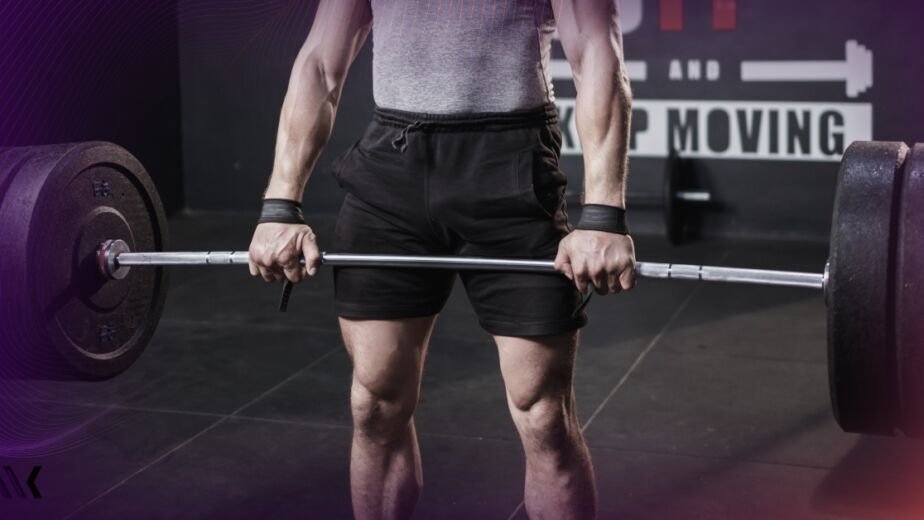
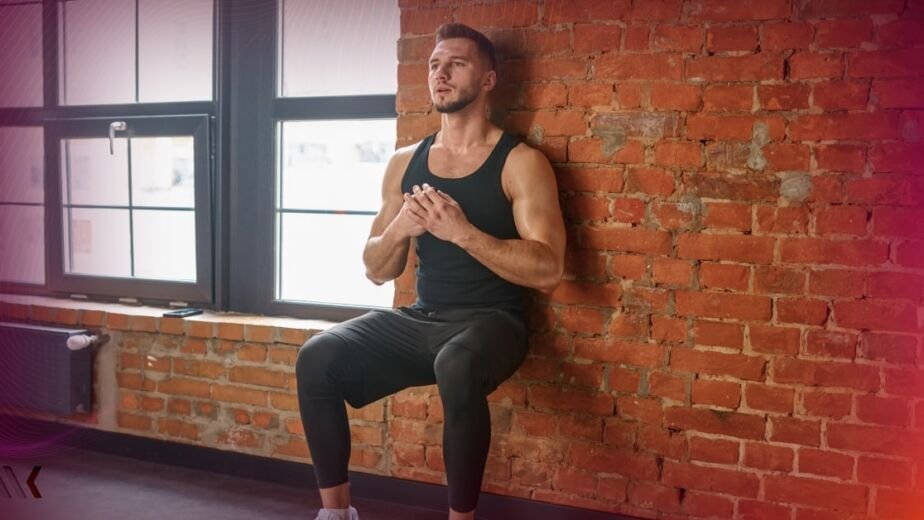
Clinical research demonstrates superior outcomes when TECAR therapy is combined with exercise or manual therapy compared with conventional care alone, reinforcing a multimodal, movement-integrated approach. ⁶,⁷ TECAR therapy integrates seamlessly with manual therapy, active rehabilitation, strength and mobility training, and return-to-play programs, improving tissue response to intelligent loading rather than creating device dependence.
The most effective technologies do not dictate protocols. They support clinical reasoning.
That adaptability is why TECAR therapy has been adopted across professions and disciplines worldwide. Its effectiveness is driven by practitioner intent, not rigid recipes. ¹,²,⁸
As rehabilitation continues to merge science, movement, and technology, intelligent energy-based therapies such as TECAR are not just here to stay. They are setting the standard.
I believe the future of rehabilitation belongs to clinicians who combine evidence, intent, and innovation to elevate care beyond symptom management and toward long-term tissue resilience.
REFERENCES
Alvarenga GM, Costa LOP, Oliveira LP, et al. Effectiveness of TECAR therapy for managing pain in sports-related musculoskeletal pathologies: a systematic review and meta-analysis. Journal of Bodywork and Movement Therapies. 2024;38:355-366.
Al-Momen AM, Alghadir AH, Zafar H, Iqbal A. Effects of capacitive-resistive electric transfer therapy on musculoskeletal pain: a systematic review. Physiotherapy Theory and Practice. 2023;39(9):1691-1706.
Kumaran B, Watson T. Thermal build-up, decay and retention responses to local therapeutic application of capacitive resistive monopolar radiofrequency. Physical Therapy in Sport. 2015;16(2):166-172.
Perez-Bellmunt A, Casasayas O, López-de-Celis C, et al. Effects of TECAR therapy on tissue temperature and microcirculation: a randomized controlled trial. Journal of Clinical Medicine. 2023;12(18):6648.
Costello JT, Donnelly AE. Heat-induced analgesia and tissue extensibility: physiological mechanisms and clinical relevance. Physical Therapy Reviews. 2010;15(1):14-21.
Khalifa A, Abdelrahman M, El-Shamy S. Effect of TECAR therapy combined with conventional rehabilitation on chronic neck pain: a randomized controlled trial. Journal of Back and Musculoskeletal Rehabilitation. 2022;35(4):689-698.
Notarnicola A, Maccagnano G, Tafuri S, et al. Capacitive-resistive electric transfer therapy combined with therapeutic exercise in musculoskeletal disorders: a randomized clinical trial. Physiotherapy Quarterly. 2023;31(2):56-64.
McGrath TM, Waddington G, Scarvell JM, et al. Emerging technologies in modern musculoskeletal rehabilitation: trends and clinical implications. International Journal of Sports Physical Therapy. 2022;17(5):912-925.