As clinicians we understand the need for therapeutic and corrective exercise as it relates to rehabilitation of soft tissue injuries and addressing bodily asymmetries. Loading our tissues is how we build strength and resiliency in our bodies, and the idea of progressive loading is at the core of any decent rehabilitative program.
A recent systematic revie w and meta-analysis examined how exercise-based loading programs compare to passive treatments for tendinopathy—and the findings reinforce a key principle in modern rehabilitation: improving a patient’s tolerance to load is central to recovery. The authors analyzed randomized controlled trials comparing progressive strengthening protocols with passive or minimally active treatments such as rest, modalities, or non-loading interventions. The findings were concrete but unsurprising: loading exercise consistently led to better improvements in pain and function compared to passive treatments.
This improvement was not unique to any one type of exercise (concentric, eccentric or isometric) but rather the progressive application of mechanical load over time. The authors attributed these improvements to increased tendon load tolerance. In other words, the tendon became increasingly able to handle a more intense load without provoking symptoms.
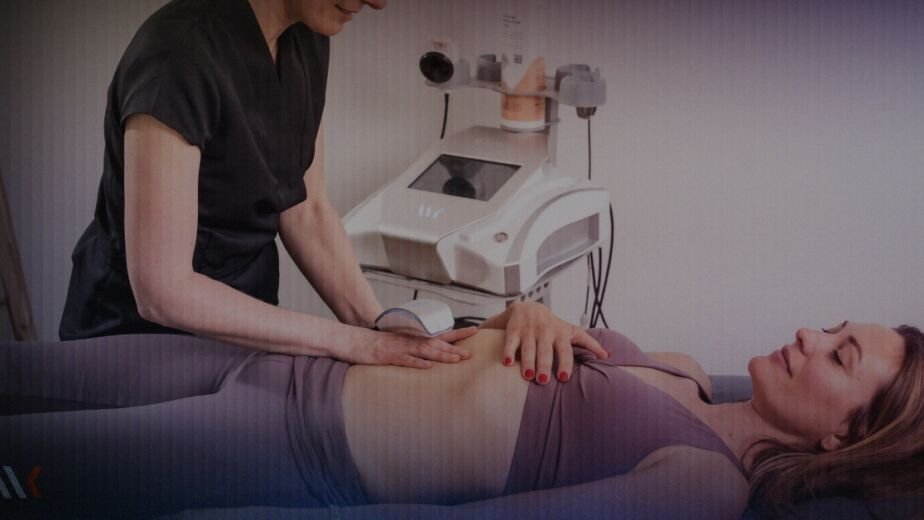
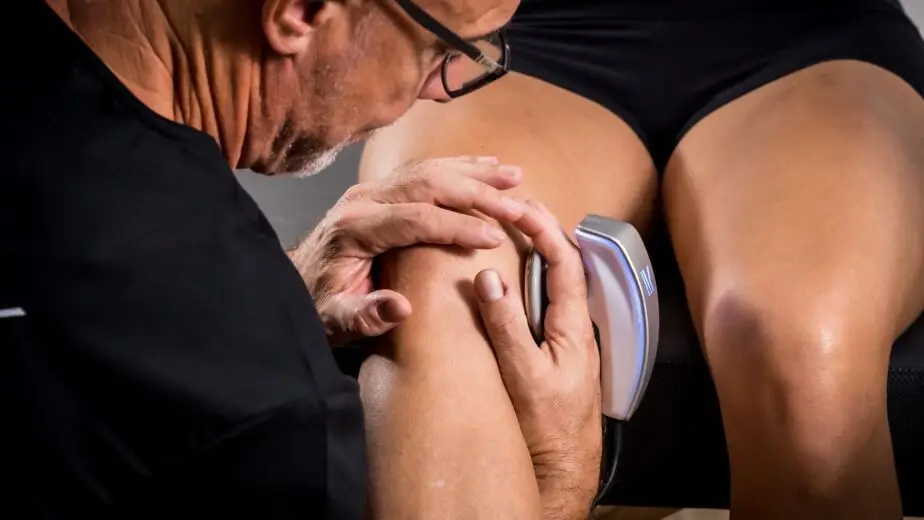
When we look deeper into the passive treatments these studies examined, it is hard to find a modality that can be utilized in an active way. TECAR Therapy offers clinicians the opportunity to be combined with an active exercise progression in a way that other modalities cannot. I have found in my practice that the analgesic properties of TECAR therapy can directly improve patients ability to load previously painful tissues.
Furthermore the ability of TECAR to promote blood flow, fibroblast activity as well as oxygenation of tissue allows it to be the perfect modality to couple with progressive tissue loading. When we decrease pain, we can improve contractility and load tolerance and thus allow are patients to improve their function sooner. Add the physiologic benefits of TECAR therapy, and we have a real gamechanger as far as rehabilitative outcomes goes.
While the studies primarily focused on lower-extremity tendinopathies, the underlying mechanisms apply broadly across tendon pathology, including the elbow and wrist. Join us next month for our TECAR CEU Webinar Series as we examine TECAR therapy as part of an integrated rehabilitation approach to treating lateral epicondylosis. TECAR therapy will be reviewed in the context of pain modulation, cellular repair, and facilitation of movement and exercise tolerance when applied appropriately within a comprehensive rehabilitation program. We hope to see you there!